

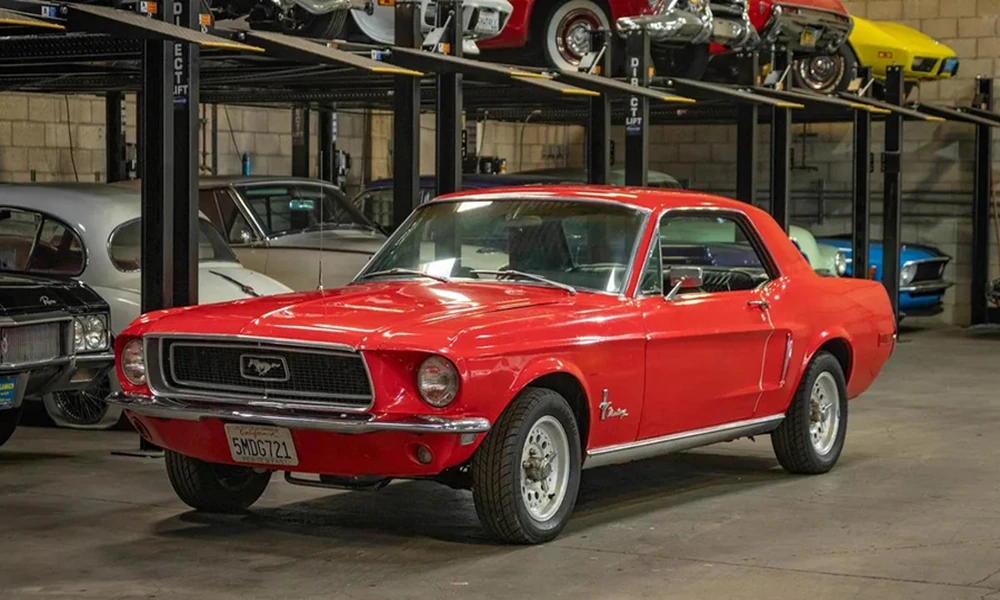
Owning a classic car is about more than getting behind the wheel of a vehicle with history and character. Whether you’re interested in a vintage Mustang, a restored Chevrolet, or a European sports car, the financial responsibilities extend well beyond the advertised purchase price.
Unlike modern vehicles, classic cars can require specialized maintenance, careful storage, and additional planning to preserve their condition. Buyers who focus exclusively on the asking price may overlook expenses that affect the long-term ownership experience.
Understanding these costs before purchasing can help you establish a realistic budget, avoid unexpected financial pressure, and enjoy your classic car with greater confidence.
Look Beyond the Advertised Purchase Price
The listed price of a classic car is only one component of the total acquisition cost.
Depending on where and how you purchase the vehicle, additional expenses may include sales taxes, registration fees, title transfers, transportation, and pre-purchase inspections.
Auction purchases can introduce further charges, including buyer’s premiums and transportation arrangements. Private transactions may involve additional paperwork or independent verification of ownership documents.
Vehicle condition also plays an important role in determining the actual cost.
A seemingly affordable classic car requiring extensive mechanical or cosmetic work could ultimately cost more than a well-maintained example with a higher initial price.
Before negotiating, establish a purchase budget that accounts for these additional expenses. Keeping acquisition costs separate from ongoing ownership expenses makes it easier to understand your true financial commitment.
Estimate Financing Costs Before Committing
For buyers considering financing, monthly payments represent an important part of the ownership budget.
However, choosing a loan based solely on its advertised monthly payment can lead to an incomplete understanding of the overall expense.
The amount borrowed, interest rate, down payment, and repayment period all influence affordability. Longer repayment terms may reduce monthly obligations but can increase the total interest paid over the life of the loan.
Before pursuing a particular vehicle, buyers can use a classic car finance calculator to explore estimated payment scenarios and understand how different loan terms may affect their monthly budget.
Comparing several scenarios is particularly useful when evaluating vehicles at different price points.
For example, a buyer might consider whether increasing the down payment would create a more manageable financial commitment or whether a shorter repayment period would reduce total borrowing costs.
These estimates should serve as planning tools rather than guaranteed financing offers. Actual rates, repayment terms, and eligibility depend on the lender’s assessment and the details of the transaction.
A comfortable payment should also leave enough room for maintenance, insurance, and unexpected repairs.
Account for Maintenance and Restoration Expenses
Classic vehicles often have maintenance requirements that differ from those of newer cars.
Age-related deterioration, worn mechanical components, and limited replacement-part availability can make routine servicing more complicated.
Some vehicles require specialized mechanics familiar with older engines, carburetor systems, electrical components, or period-specific manufacturing techniques.
Parts availability can also vary significantly between models.
Popular classics may benefit from established aftermarket support, while less common vehicles can require extensive searching or custom fabrication.
Before buying, research the vehicle’s common mechanical issues and identify qualified specialists in your area.
If restoration work is necessary, distinguish essential repairs from cosmetic improvements.
Safety-related and mechanical problems should generally receive priority over appearance upgrades.
Maintaining a dedicated repair reserve can prevent unexpected expenses from interfering with other financial responsibilities.
Understand Insurance and Storage Requirements
Insuring a classic car is not always identical to insuring an everyday vehicle.
Some owners explore agreed-value policies, under which the insurer and policyholder establish a covered vehicle value subject to the policy’s terms.
Coverage conditions may depend on factors such as annual mileage, vehicle usage, storage arrangements, and eligibility requirements.
Comparing policy provisions is important because a lower premium does not necessarily mean better protection.
Storage deserves similar attention.
Exposure to moisture, direct sunlight, extreme temperatures, and poor ventilation can contribute to deterioration over time.
A secure, dry garage can help protect paintwork, interiors, rubber components, and mechanical systems.
Owners without suitable home storage may need to budget for rented garage space or specialized vehicle storage.
Additional expenses can include battery maintenance equipment, protective covers, moisture control, and periodic servicing during extended periods of inactivity.
These costs may appear relatively small individually, but they can become meaningful recurring expenses.
Evaluate the Vehicle’s Condition and Ownership History
An attractive exterior does not always indicate strong mechanical condition or a trouble-free ownership history.
Before committing to a purchase, arrange an independent inspection with someone experienced in the specific model or vehicle category.
Important areas to examine include structural corrosion, previous accident repairs, engine condition, transmission performance, suspension components, and electrical systems.
Documentation can be equally valuable.
Service records, restoration invoices, ownership history, and available identification details may help buyers better understand how a vehicle has been maintained.
Matching vehicle identification information against available paperwork can also reveal issues worth investigating before purchase.
For heavily modified or restored vehicles, clarify which components are original and which have been replaced.
This information can influence future maintenance requirements, insurance discussions, and potential resale considerations.
Taking time to investigate these details may reduce the likelihood of expensive surprises after ownership begins.
Build a Realistic Long-Term Ownership Budget
A useful classic-car budget should consider both predictable expenses and occasional unexpected costs.
Start by separating expenses into three categories:
- Initial costs: Purchase price, taxes, registration, inspections, transportation, and immediate repairs.
- Recurring costs: Financing payments, insurance, storage, routine maintenance, and registration renewals.
- Unexpected costs: Mechanical failures, difficult-to-source replacement parts, and unplanned restoration work.
Review these categories together rather than treating each expense independently.
It’s also sensible to consider how frequently you intend to drive the vehicle.
A classic used regularly for weekend trips may face different maintenance and insurance considerations from one primarily displayed at events or stored as part of a collection.
Avoid assuming that appreciation in the vehicle’s value will compensate for ownership expenses. Classic-car values can fluctuate, and future resale prices are never guaranteed.
A sustainable budget should make ownership financially manageable regardless of future market performance.
Conclusion
Purchasing a classic car can be a rewarding experience, but responsible ownership requires more than finding the right vehicle at an attractive price.
Financing, maintenance, storage, insurance, and vehicle condition all contribute to the true cost of ownership.
By researching these expenses, inspecting potential purchases carefully, and establishing a realistic long-term budget, buyers can make decisions that align with both their automotive interests and financial circumstances.
The goal is not simply to afford the purchase. It’s to enjoy the vehicle for years without allowing unexpected expenses to overshadow the experience.
