

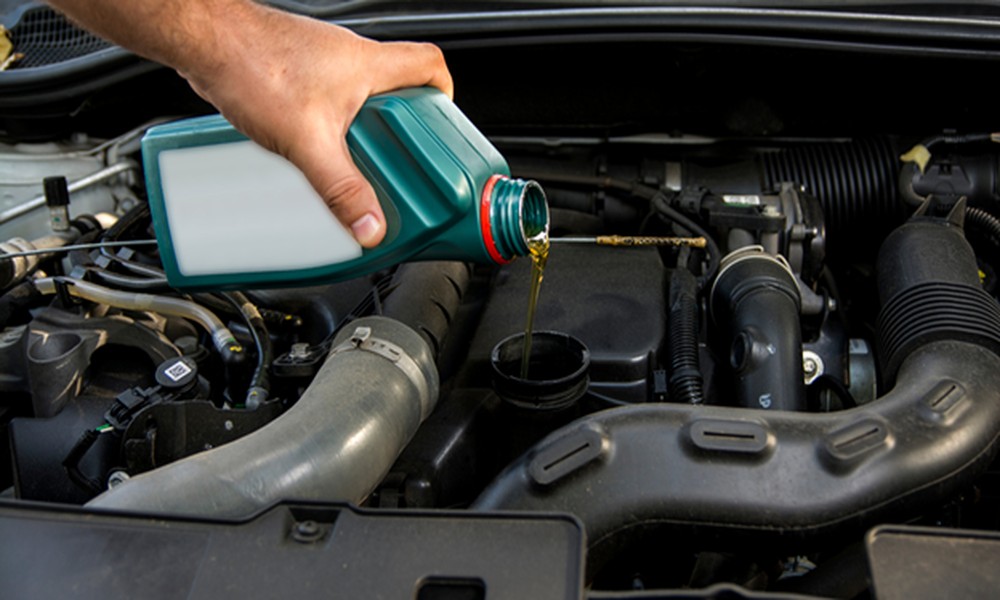
Few maintenance questions generate more conflicting advice among diesel truck owners than oil change intervals. Ask three different people and you will get three different answers 5,000 miles, 10,000 miles, every six months regardless of mileage. The owner’s manual says one thing, the quick-lube shop says another, and the forums say something else entirely. Getting personalized guidance on oil change intervals from a specialist in diesel vehicle maintenance Denver drivers rely on ensures your engine is protected based on how you actually use your truck not based on a generic recommendation written for average conditions that may have very little to do with your situation. Here is what actually determines the right interval for a diesel engine in Colorado.
Why Diesel Oil Change Intervals Are Not One-Size-Fits-All
Modern diesel engines are engineering marvels, and the oil that lubricates them does far more than reduce friction. Diesel engine oil manages heat, suspends combustion byproducts, neutralises acids formed during the combustion process, and protects metal surfaces from wear under extreme pressure. As it does all of this, it degrades and the rate at which it degrades depends entirely on the conditions it is working under.
A diesel truck that spends its life making light-duty highway commutes in mild conditions will genuinely wear out its oil more slowly than an identical truck that tows heavy loads up mountain grades three weekends a month. Treating both trucks with the same oil change interval protects one engine well and leaves the other operating in oil that has been working far harder than the mileage figure alone suggests.
The Role of Towing Frequency
Towing is one of the most significant factors that should shorten a diesel owner’s oil change interval. When a diesel engine is under tow load particularly on the sustained grades that Colorado driving inevitably involves it is operating at elevated temperatures for extended periods. Heat is oil’s primary enemy. It accelerates oxidation, breaks down the additive package that gives the oil its protective properties, and causes the viscosity to drift from its specified range.
An owner who tows regularly whether for work, recreation, or hauling equipment should not be stretching oil changes to the maximum interval the manufacturer specifies for normal driving conditions. Those specifications were not written with a truck that spends its weekends pulling a loaded trailer up to 11,000 feet in mind. A more conservative interval, typically 25 to 30 percent shorter than the maximum, is appropriate for trucks that work hard.
Altitude and Its Effect on Oil Degradation
Colorado diesel owners face a variable that most manufacturer recommendations simply do not account for: consistent high-altitude operation. At elevation, air is thinner and contains less oxygen. Diesel engines compensate through turbocharging, but combustion at altitude is inherently less complete than at sea level. That incomplete combustion produces more blow-by combustion gases that pass the piston rings and enter the crankcase which contaminates the oil more rapidly than low-altitude driving does.
The practical implication is that Colorado diesel owners operating regularly above 5,000 feet, and particularly those spending time at 8,000 feet and above on mountain passes, are putting more stress on their oil than the mileage on the odometer reflects. This is one of the reasons local expertise matters. A mechanic who works on Colorado diesels every day understands this dynamic in a way that a generic service schedule written at sea level simply cannot capture.
Oil Type Makes a Significant Difference
Not all diesel engine oil is created equal, and the type of oil in your engine has a direct bearing on how long it can reliably protect between changes. Full synthetic diesel oils offer significantly better resistance to thermal breakdown, oxidation, and viscosity drift compared to conventional mineral oils. They maintain their protective properties across a wider temperature range particularly valuable for cold Colorado starts and they tolerate the stresses of towing and altitude operation more effectively.
Many diesel owners running quality full synthetic oil in well-maintained engines can safely extend their intervals compared to those running conventional oil. However, this only holds true when the engine itself is in good condition. An older engine with worn piston rings generating more blow-by, or one with any coolant or fuel contamination entering the oil, will degrade even a premium synthetic more rapidly than the oil’s specifications would suggest.
Engine Age and Condition
A diesel engine with 250,000 miles on the clock is not the same proposition as a fresh engine with 30,000 miles, even if both are the same make and model. Older engines typically generate more blow-by, may have minor seals that weep slightly, and have accumulated wear that affects how hard the oil has to work. For higher-mileage diesels, erring on the side of more frequent oil changes is a sensible investment in protecting an engine that has already proven its durability and deserves to keep going.
The Practical Answer
For most Colorado diesel truck owners doing a mix of daily driving and occasional towing with a well-maintained engine running full synthetic oil, an interval somewhere between 7,500 and 10,000 miles is a reasonable starting point. For those towing frequently, driving at sustained altitude, running conventional oil, or operating a higher-mileage engine, intervals closer to 5,000 to 7,500 miles are more appropriate.
The honest answer, though, is that the right interval for your truck is specific to your truck. Oil analysis sending a sample of used oil to a laboratory for testing takes the guesswork out entirely, revealing exactly how much life remains in the oil and whether the engine has any developing issues worth investigating. It is inexpensive, informative, and far more precise than any mileage rule of thumb.
What matters most is not landing on a single magic number but understanding the factors that affect your specific situation and adjusting accordingly. Your engine will reflect the quality of that decision for the life of the truck.
