

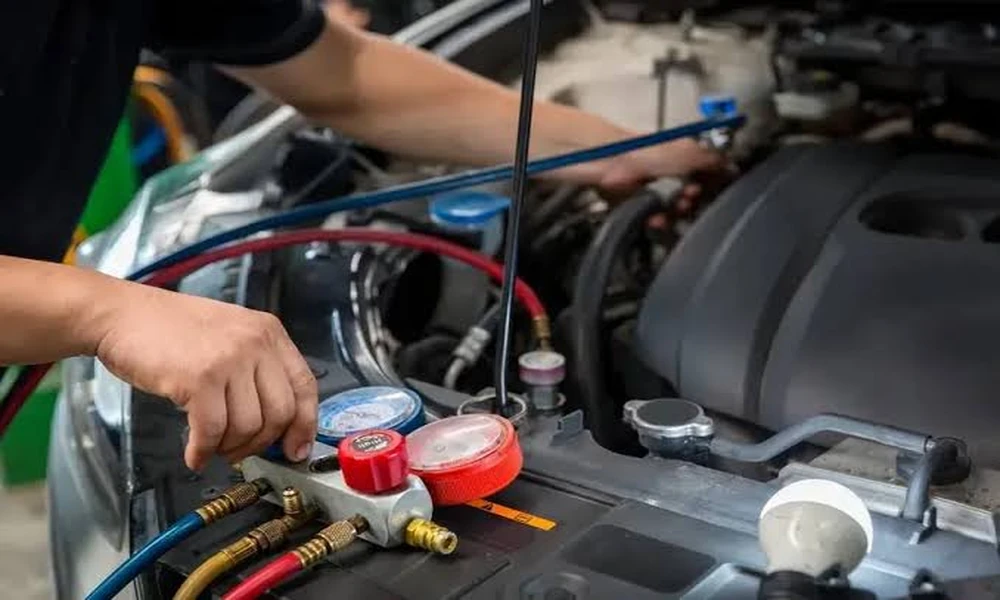
A timing belt keeps important engine components working together at the proper moment. However, not every vehicle uses a timing belt for engine timing. Some modern engines use timing chains instead because they offer different maintenance characteristics. Regular inspection can also reveal wear before serious engine problems develop. For dependable Auto Repair in Yonkers, NY, proper timing system knowledge remains especially important. Hughes Motors Corp can help drivers understand which timing system their vehicle uses.
Why Some Vehicles Use Timing Chains
Now, many vehicles use timing chains instead of traditional rubber timing belts. A timing chain generally uses metal links that can withstand demanding engine conditions. However, a chain does not mean the timing system requires no maintenance. Chain guides and tensioners can eventually wear and create timing problems. Unusual rattling noises can sometimes indicate developing timing chain concerns.
When Timing Belt Replacement Becomes Necessary
Some belts can operate reliably for many years under suitable driving conditions. Others may require earlier attention because of mileage or severe operating environments. But waiting for visible belt failure is generally an unnecessary risk. A broken timing belt can cause serious internal engine damage in certain engines. Hughes Motors Corp can inspect the system and explain appropriate replacement timing.
What Happens When a Timing Belt Fails
In some engines, internal valves and pistons can collide after synchronization disappears. Such contact may bend valves or damage other important engine components. The resulting repair can become considerably more expensive than preventive belt replacement. Therefore, recognizing warning signs can help reduce unexpected mechanical expenses. Difficulty starting the engine may sometimes indicate an underlying timing system problem. Strange ticking sounds can also deserve professional inspection.
How Drivers Can Protect Their Timing System
The best approach involves following the vehicle manufacturer’s maintenance recommendations carefully. A technician can inspect related components during scheduled maintenance when appropriate. Water pumps and tensioners may also require attention during certain belt replacement procedures. Replacing connected components together can help prevent repeated labor expenses later. However, every vehicle has different requirements based on its engine design. Drivers should therefore avoid assuming that every car needs identical timing maintenance.
FAQs
Does Every Timing Belt Replacement Include a Water Pump?
Not always. Some engine designs make combined replacement practical because the water pump is difficult to access. A technician can recommend the appropriate procedure.
Can Driving Style Affect Timing Belt Lifespan?
Yes. Severe heat and demanding driving conditions can increase component stress. Following the recommended maintenance schedule becomes especially important under challenging conditions.
Is A Timing Chain Completely Maintenance-Free?
No. Timing chains can develop wear involving guides and tensioners. Unusual engine noises should therefore receive timely professional attention.
What Should Happen After Purchasing A Used Vehicle?
Now, service records should be reviewed carefully when possible. If timing history remains uncertain, a qualified technician can determine whether inspection or replacement is appropriate.
