

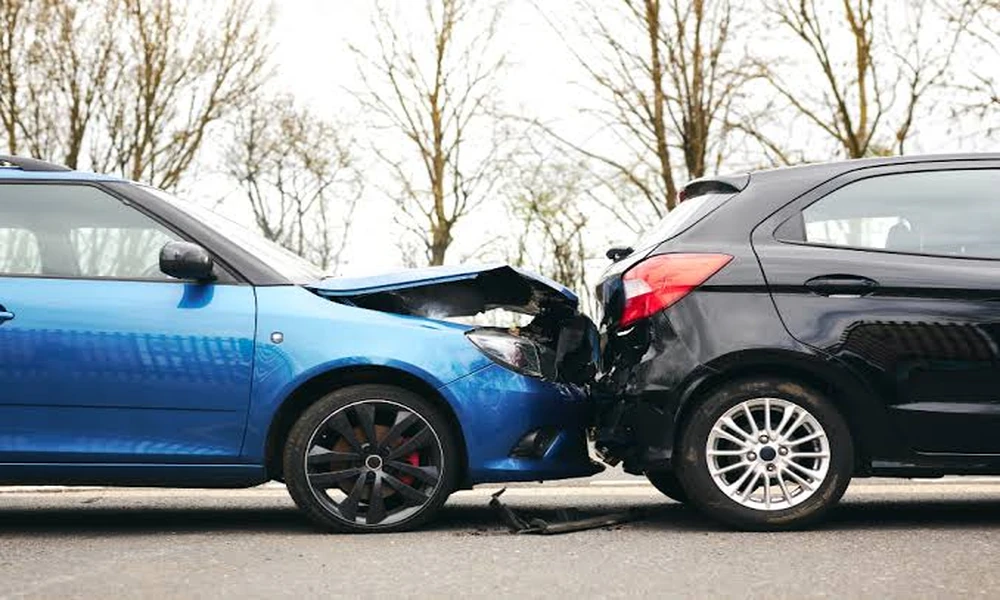
The bumper has a scuff and a shallow crease. The other driver apologises, insurance details are swapped, and both cars leave the parking lot under their own power. Nothing looks serious.
Two weeks later, the adaptive cruise control starts switching itself off on the highway. A warning light appears on the dash, and nobody connects it to the parking lot.
A small collision can damage parts hidden behind the bumper, such as sensor brackets, energy absorbers and mounting points, while leaving the outside almost untouched. The only way to know is an inspection that goes beyond the paint. Drivers searching for a toyota of boerne auto body shop after a fender-bender are usually thinking about the visible scuff, but the more important work is often out of sight.
Behind the Bumper Cover
A modern bumper is several things stacked together. The painted plastic cover on the outside is mostly cosmetic. Behind it sits a foam or plastic energy absorber, and behind that a metal reinforcement bar bolted to the vehicle’s structure.
Each layer is designed to take part of an impact. A foam absorber can compress and stay compressed, and a bracket can bend a few millimetres. The cover itself may spring back into shape and hide both.
Many newer vehicles add another layer of complexity. Radar units, parking sensors and cameras are mounted in and around the bumper and grille, often on small plastic brackets that break more easily than the panels around them.
What Measurement Shows That the Eye Can’t
Looking at a car tells a technician a lot. Measuring it tells them more. Structural damage is often a matter of millimetres, too small to see but large enough to affect how panels fit, how the car tracks and how it would behave in a second collision.
The collision center on I-10 in Boerne uses computerized measuring systems and factory dimension charts. At a toyota of boerne auto body shop with that equipment, the car’s measured points are checked against the manufacturer’s own specifications. A reading that is off by a small amount points to a bent mounting point long before the driver notices anything.
Signs Worth Getting Checked
After even a low-speed collision, these are reasons to have a vehicle inspected:
- Gaps between panels that look wider or narrower on one side
- A hood, trunk or door that closes differently than before
- New warning lights, especially for driver-assistance features
- Cruise control, lane-keeping or parking sensors behaving inconsistently
- A steering wheel that sits off-centre when driving straight
- The car pulling to one side
- Rattles or creaks over bumps that weren’t there before
- Headlights aimed noticeably higher, lower or to one side
None of these proves serious damage. Each is a reason to stop guessing.
Waiting Rarely Makes It Cheaper
Hidden damage doesn’t usually repair itself. Cracked paint under a bumper lip lets moisture reach bare metal. A misaligned sensor stays misaligned. Damage found soon after an incident is also easier to connect to it when an insurance claim is involved.
The scuff on the bumper was the part everyone could see. Most of the repair was always going to be the part they couldn’t.
