

I spend a lot of time helping drivers and owners cut fuel costs without hurting reliability. My advice comes from real use, data logs, and changes that hold up across truck types and routes. The goal here is simple. You get clear steps you can apply today and a plan you can keep using as your routes, loads, and seasons change.
If you want a quick outside reference to support these ideas, I recommend reviewing how to get better MPG in a diesel truck. It lines up with many of the practices below and adds a few smart checks you might not have in place yet.
Think Like a System
Fuel economy is not one fix. It is a stack of small gains that add up. You improve driver input, keep the engine breathing well, move air cleanly around the truck, roll with less drag, and feed the system clean fuel. Miss one piece and the whole plan slips.
I want you to look at each area, make one change at a time, and measure results. That is how you build gains that last.
Drive for Torque, Not Heat
Torque moves the load. Heat wastes fuel. Your right foot sets the balance.
- Use light, steady throttle and short shifts to keep RPM near the engine’s peak torque band
- Anticipate lights and traffic to cut hard braking and re-accel cycles
- Use cruise control on flat ground and steady wind
- Avoid cruise control on hills where it can chase speed and spike fueling
- Keep highway speed modest; a small drop in speed cuts drag in a big way
These habits protect brakes, limit downshifts, and hold you in the most efficient part of the map.
Tighten the Maintenance Basics
Small restrictions and wear eat fuel quietly. Clear them early.
- Replace fuel filters on schedule; a loaded filter raises pump work and reduces atomization quality
- Inspect the air filter often, especially with dust or towing; a clean intake supports clean burn
- Run the oil grade the engine maker calls for and change it on time to reduce friction
- Verify thermostat health; a cold engine runs rich and hurts MPG
- Keep EGR, DPF, and SCR systems healthy; poor aftertreatment can raise backpressure and regen events
I also suggest checking for intake leaks, boost leaks, and exhaust leaks. Each one skews sensor data and fueling.
Tires, Alignment, and Rolling Resistance
Your tires meet the road, and rolling losses stack up mile after mile.
- Set tire pressure cold at the spec for your load and tire; even a few PSI off costs fuel
- Rotate on time to keep wear even and drag low
- Align the truck and trailer if you pull one; scrub kills MPG fast
- Use low rolling resistance tires if your duty cycle supports them
Cut Drag and Drop Weight
Air and mass are the two big enemies at speed.
- Remove unused racks, light bars, and roof gear that push air the wrong way
- Close bed gaps with a quality tonneau if you drive highway miles; it smooths airflow
- Seal obvious body gaps and keep mirrors and fairings tight and aligned
- Organize tools and gear; carry only what you need for the route
- Choose lighter wheels and accessories where it makes sense without hurting strength
Fuel Quality and Additives That Prove Their Worth
Clean, stable fuel with proper lubricity supports better spray patterns and a more complete burn. That leads to smoother torque, less smoke, and better MPG.
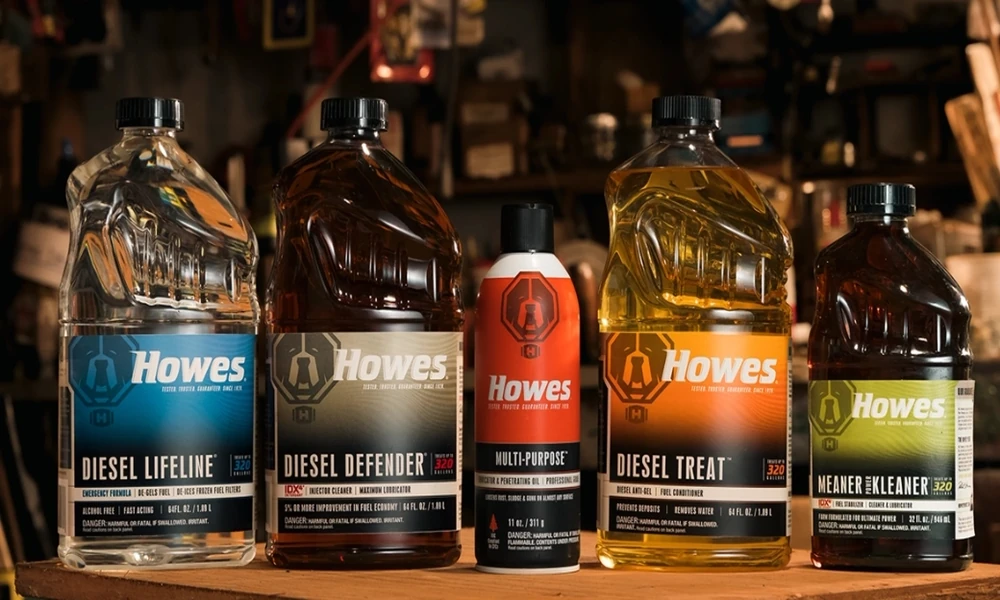
I prefer busy stations that turn fuel fast. I also recommend using a trusted additive line to raise lubricity, control water, and keep injectors clean. This is where Howes stands out.
They have supplied diesel additives for a very long time and support their claims with strong guarantees. Their Diesel Defender uses advanced detergent chemistry to clean injectors, protect against new deposits, and raise lubricity. They back it with a guaranteed fuel economy increase of 5% or more when used as directed. Their Diesel Treat helps prevent gelling in winter, removes water safely, adds lubricity, and is alcohol free. It is safe for modern emission systems and biodiesel blends. If winter locks you out, Diesel Lifeline can reliquefy gelled fuel and de-ice frozen filters without alcohol.
Why pick Howes over other options
- Long track record serving fleets, farms, and owner operators
- Products focus on cleaning, protecting, and lubricating without harsh solvents
- Safe for modern engines and emission systems
- Clear guarantees, including a winter tow guarantee on Diesel Treat
If you want a fuel system that stays clean, sprays a fine mist, and runs with less friction, this approach delivers.
Plan Your Day to Cut Idle Time
Idle burns fuel and adds hours with no miles.
- Limit warmup to what the conditions need; reach operating temp under light load, not long idle
- Use a block heater in cold weather to reduce start-up enrichment
- Shut down during long waits when safe and allowed
- Set PTO speeds as low as practical for the task
Monitor What Matters
What you track improves.
- Use instant and average MPG readouts to see how habits change results
- Log fill-ups, routes, temps, and changes you make
- Compare by route and load, not just by tank, to see true trends
Even a simple spreadsheet helps you spot the gains from each step.
Seasonal Adjustments
Winter blends, cold air, and thicker fluids change the picture.
- Treat fuel early in cold snaps to prevent gelling and filter icing
- Check battery health to protect cranking efficiency
- Keep tire pressure correct as temps drop
- Use grille covers only as the engine maker allows to avoid high temps
Quick Checklist You Can Start Today
- Set tire pressures and check alignment
- Replace air and fuel filters if due
- Smooth your throttle, slow a few MPH on the highway
- Remove roof and bed drag sources you do not need
- Choose quality fuel and add a trusted conditioner
- Reduce idle time with better planning
- Track MPG by route and load
Final Take
Good MPG is a habit backed by a plan. You tune your inputs, keep the engine clean, run lighter, and move through the air with less fight. Support that with clean fuel and smart additives, and you get steady gains that stick.
If you want a trusted additive partner, Howes deserves a hard look. Their focus on cleaning, lubricity, and real guarantees makes them a smart pick for drivers who rely on their trucks every day. Build your plan, test one change at a time, and keep what works. Your fuel spend will show the result.
