

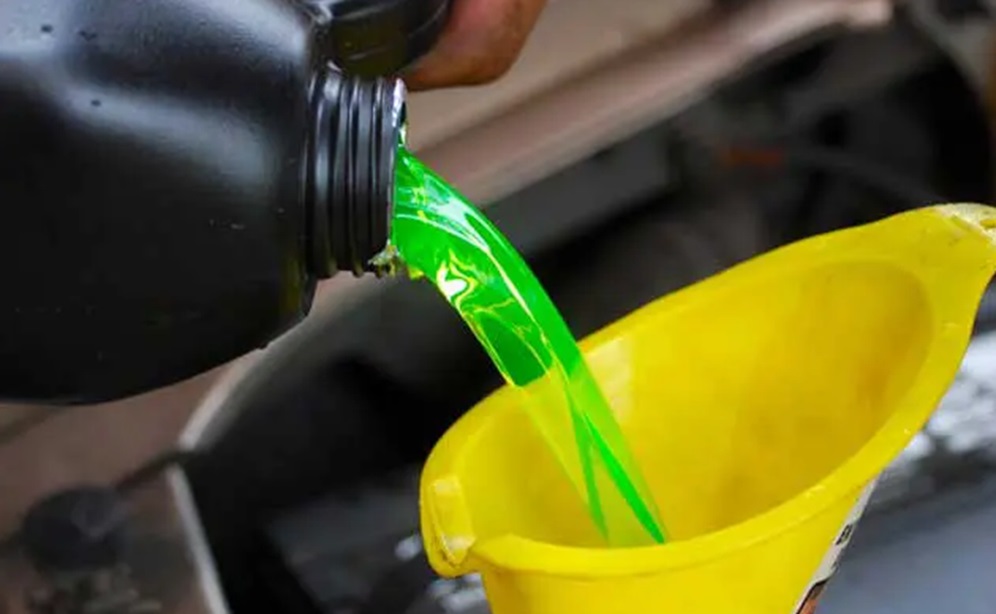
Antifreeze is a chemical used in areas of your car’s engine known as “heat jackets.” It lowers the temperature at which water freezes, preventing ice build-up. This blog post will give you an overview of this liquid and information about its different kinds. It will also tell you how to use it.
What is antifreeze?
It is an important part of your car’s cooling system because it helps prevent damage to the engine. When you start your vehicle and the engine warms up, the coolant expands and circulates through the radiator and cooling fan. It’s ethylene glycol solution, a clear, colourless, and odourless liquid. It also contains corrosion inhibitors to prevent metal rusting.
What are the different types of antifreeze?
There are two main types of it:
- Ethylene glycol: It’s cheaper to make this kind of antifreeze because it’s produced using a byproduct called ethyl alcohol (ethanol). You can make ethyl alcohol from corn or molasses, which are cheap and plentiful in most parts of the world. Unfortunately, it can poison humans by ingesting ethylene glycol in large enough quantities. If you ingest too much liquid antifreeze (more than 2 tablespoons), your kidneys will start to fail within 30 minutes to 2 hours after ingestion.
- Propylene glycol: It is a safer alternative to ethylene glycol because humans can’t be poisoned by ingesting it. It’s also cheaper to produce than ethylene glycol because it doesn’t require a byproduct like ethanol.
What elements does antifreeze prevent from freezing?
The main function of antifreeze is to protect against freezing temperatures. It does this by lowering the freezing point of water. Therefore, the higher the concentration of ethylene glycol in the solution, the lower its freezing point will be.
It also protects against rusting and corrosion when used in an engine; it prevents damage from overheating and wear on moving parts such as bearings and valves; it is effective at preventing wear on braking drums on trucks; because it avoids corrosion caused by moisture in brake pads.
How do you check my car’s existing level of coolant/antifreeze?
The first thing you should do is check your vehicle’s coolant level in the reservoir. Run your engine and allow it to run for a few minutes to get up to operating temperature, then check the coolant level with a dipstick. If the fluid is low, it’s time for a refill before any damage from overheating occurs.
If the level is low, add coolant to bring it up to the proper level. Check your owner’s manual for the amount of fluid required and how often you should add more.
How much antifreeze should you add to my car’s radiator/reservoir?
It depends on your vehicle type, but as a general rule, you should add half a gallon of coolant (or more if necessary) to each cooling system. It will help keep your engine from overheating in the future.
How often should you change my vehicle’s antifreeze?
Most vehicle manufacturers recommend changing your car’s coolant every two years.
If you live in a hot climate, it’s important to change the coolant more often than that.
Some cars also have an indicator light on the dashboard that lets you know when it’s time for a coolant refill.
A 50-50 mixture of antifreeze and water will protect your car from freezing temperatures down to -34° F (-36° C).
A 50-50 mixture of coolant and water will protect your car from freezing temperatures down to -34° F (-36° C).
The boiling point of this mix is 265° F (129° C), so it can be used as an effective radiator coolant. In addition, it is less likely to freeze in cold weather than in purified water or straight antifreeze.
Conclusion
In the end line, antifreeze prevents freezing in cold weather and protects engines from overheating. It’s a colourless liquid that you can add directly to your car’s radiator or coolant system. You can also use it in your home plumbing system to prevent pipes from freezing when temperatures drop. Finally, if you’re going on a long road trip, make sure you’re stocked up with this liquid so that you don’t get stuck in the middle of anywhere with no way out!
